

Address:
K-30 B, Basement, Kalkaji, New Delhi – 110019

Phones:
011-796-37823, +91 971-806-3158
Today's Appointments: 0
Address:
K-30 B, Basement, Kalkaji, New Delhi – 110019
Phones:
011-796-37823, +91 971-806-3158
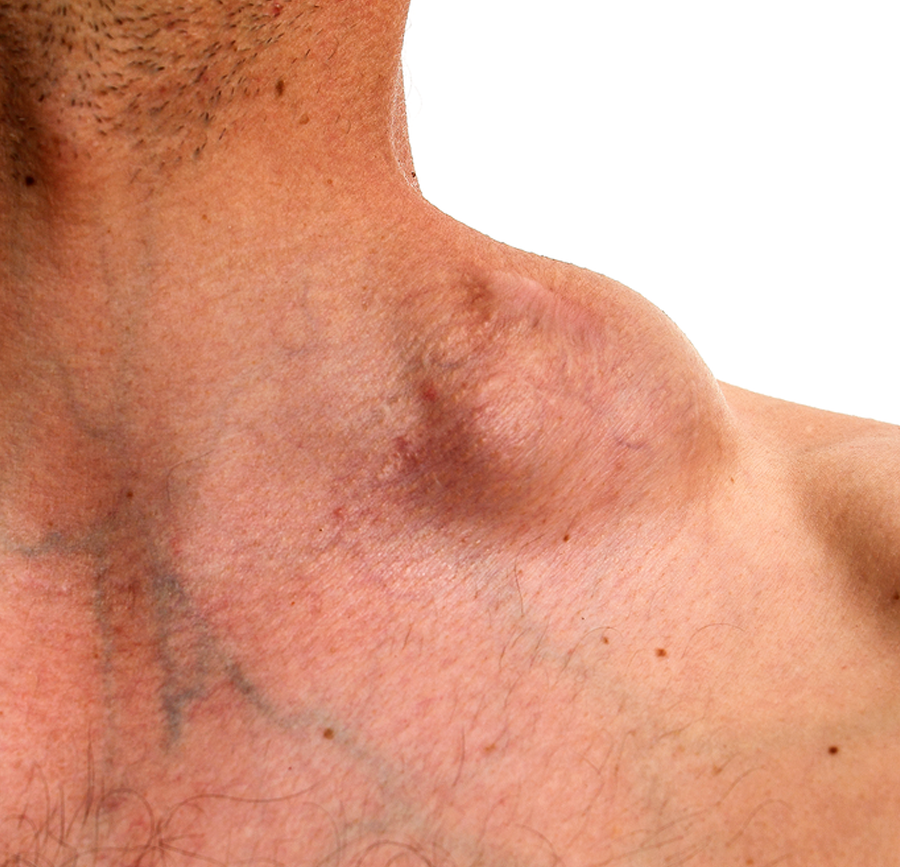
Non-Hodgkin lymphoma (NHL) represents a monoclonal proliferation of lymphoid cells of B-cell (90%) or T-cell (10%) origin. The incidence of these tumors increases with age, to 62.8/million population per annum at age 75 years, and the overall rate is increasing at about 3% per year. Previous classifications were based principally on histological appearances. The current WHO classification stratifies according to cell lineage (T or B cells) and incorporates clinical features, histology, chromosomal abnormalities and concepts related to the biology of the lymphoma. Clinically, the most important factor is grade, which is a reflection of proliferation rate. High-grade NHL has high proliferation rates, rapidly produces symptoms, is fatal if untreated, but is potentially curable. Of all cases of NHL in the developed world, over two-thirds are either diffuse large B-cell NHL (high-grade) or follicular NHL (low-grade). Other forms of NHL, including Burkitt lymphoma, mantle cell lymphoma, mucosa-associated lymphoid tissue (MALT) lymphomas and T-cell lymphomas, are less common.1
Gender ratio
Age
The t (14; 18) in follicular lymphoma results in the dysregulatedexpression of the BCL-2 gene product, which inhibits apoptotic cell death
The t (8; 14) found in Burkitt lymphoma and the t (11; 14) in mantle cell lymphoma alter function of c-myc and cyclin D1, respectively, resulting in malignant proliferation
Unlike Hodgkin lymphoma, NHL is often widely disseminated at presentation, including in extra nodal sites. Patients present with lymph node enlargement, which may be associated with systemic upset: weight loss, sweats, fever and itching. Hepatosplenomegaly may be present. Sites of extra nodal involvement include the bone marrow, gut, thyroid, lung, skin, testis, brain and, more rarely, bone. Bone marrow involvement is more common in low-grade (50–60%) than high-grade (10%) disease. Compression syndromes may occur, including gut obstruction, ascites, superior vena cava obstruction and spinal cord compression. The same staging system is used for both HL and NHL, but NHL is more likely to be stage III or IV atpresentation.1
Low-grade grade Non-Hodgkin Lymphoma
The majority of patients (80%) present with advanced stage disease and will run a relapsing and remitting course over several years. Asymptomatic patients may not require therapy and are managed by ‘watching and waiting’. Indications for treatment include marked systemic symptoms, lymphadenopathy causing discomfort or disfigurement, bone marrow failure or compression syndromes. In follicular lymphoma, the options are:
High-grade Non-Hodgkin Lymphoma
Patients with diffuse large B-cell NHL need treatment at initial presentation:
Low-grade NHL runs an indolent remitting and relapsing course, with an overall median survival of 12 years. Transformation to a high-grade NHL occurs in 3% per annum and is associated with poor survival. In diffuse large B-cell NHL treated with R-CHOP, some 75%of patients overall respond initially to therapy and 50% will have disease-free survival at 5 years. The prognosis for patients with NHL is further refined according to the international prognostic index (IPI). For high-grade NHL, 5-year survival ranges from over 75% in those with low-risk scores (age <60 years, stage I or II, one or fewer extra nodal sites, normal LDH and good performance status) to 25% in those with high-risk scores (increasing age, advanced stage, concomitant disease and a raised LDH). Relapse is associated with a poor response to further chemotherapy (<10% 5-year survival), but in patients under 65 years HSCT improves survival.1
Homeopathic Management of Non-Hodgkin Lymphoma
Role of homeopathy in NHL is symptomatic management and improving the overall life condition of the patient. Homeopathy can help improve the life condition and prolonging the life. Some reports have been there where homeopathy has been said to be curative, but such reports need more evidence and more detailed and long term follow up records. Homeopathy if used as an adjunct can definitely play an important role in improving the condition of the NHL. Some symptomatically beneficially medicines are discussed below but need to be taken in recommendation with a registered homeopathic practitioner only.
Ferrum Phos– Anemia with hemorrhage and general debility and constipation. Chlorosis in young girls with delayed menses.
Calcarea Flour – in durations of tissues, glands, tumors, stony hard.
Calcaria Carb– indicated for lymphoma and especially indicated when the lymphatic glands especially cervical glands are involved. Exhaustive sweat and perspiration.
Ceanonthus– lymphoma where it’s useful for cases with enlargement of spleen.
China – when the periodicity of fever and chill with enlargement of spleen is marked. Bowels disturbed and the skin is hot and dry.
Phosphorous –Palpitation of heart and shortness of breath on; least exertion. Loose and offensive stools with complete exhaustion thereafter.
Natrum Mur– very well marked medicine for lymphoma treatment where the complexion is pale, earthy; skin greasy; anemia with chilliness, cold feet and chills down the back.
Thuja – warts, growths tumors.